Third Party Manufacturing Vs Private Label

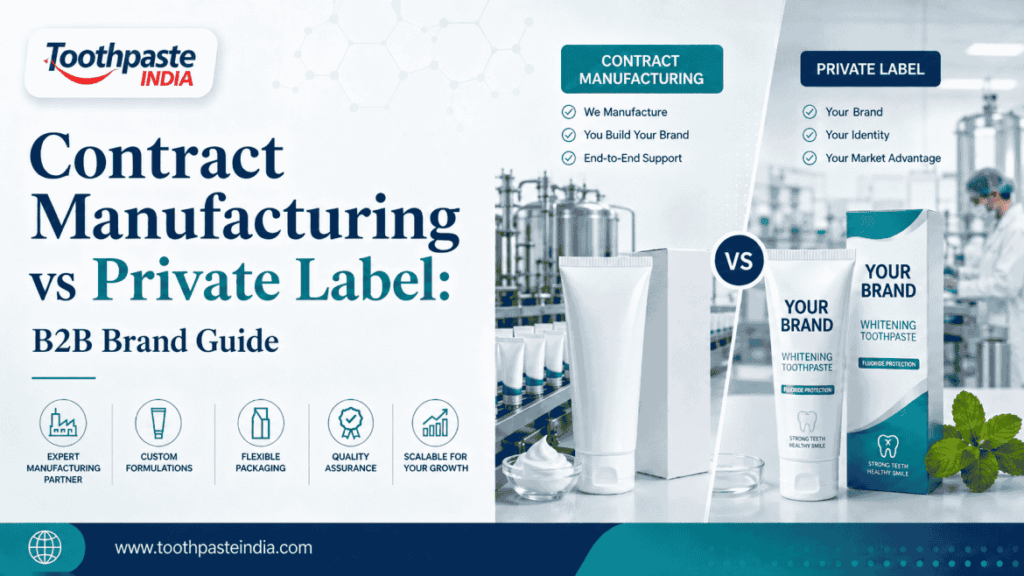
Choosing the right production route can shape how a brand manages its products, suppliers, and market strategy. third party manufacturing vs private label is a comparison worth understanding because the two approaches may differ in how products are sourced, customised, branded, and brought to market. Looking closely at third party manufacturing vs private label can help businesses identify the model that matches their level of involvement and long-term plans.

The practical differences become clearer when considering product development and manufacturing responsibilities. A third party toothpaste manufacturer may produce toothpaste according to a brand’s selected requirements, while private label arrangements can be more focused on offering products that businesses sell under their own branding. The right option can depend on formulation needs, packaging expectations, order volumes, budget, and the desired degree of product differentiation.

For entrepreneurs and established companies, the decision should be based on more than simply comparing production costs. Factors such as quality control, customisation possibilities, minimum order quantities, lead times, packaging support, and future scalability can all influence the outcome. Understanding these considerations can help businesses choose a suitable third party toothpaste manufacturer and build a production strategy that supports their brand objectives.